
Home Inspection Checklist Essentials: What Does a Home Inspector Look For?

Buying a home is one of the biggest investments you’ll ever make. I remember the first time I walked through a house with a home inspector. It was eye-opening. You might think a home looks perfect on the surface, but there’s so much more going on beneath the walls, under the floors, and above the ceilings. That’s why a thorough home inspection is crucial. It’s not just about finding problems; it’s about understanding the true condition of the property.
If you’re wondering what does a home inspector look for, you’re in the right place. Let’s dive into the essentials of a home inspection checklist and what you should expect during the process.
Home Inspection Checklist Essentials: What Inspectors Focus On
When I first started learning about home inspections, I was surprised by how detailed the process is. A home inspector doesn’t just glance around; they methodically check every major system and component of the house. Here’s a breakdown of the key areas they focus on:
1. Structural Components
The foundation, walls, floors, ceilings, and roof framing are the backbone of any home. Inspectors look for cracks, signs of settling, water damage, and any structural weaknesses. For example, a small crack in the foundation might be harmless, but large or widening cracks could indicate serious problems.
2. Roofing
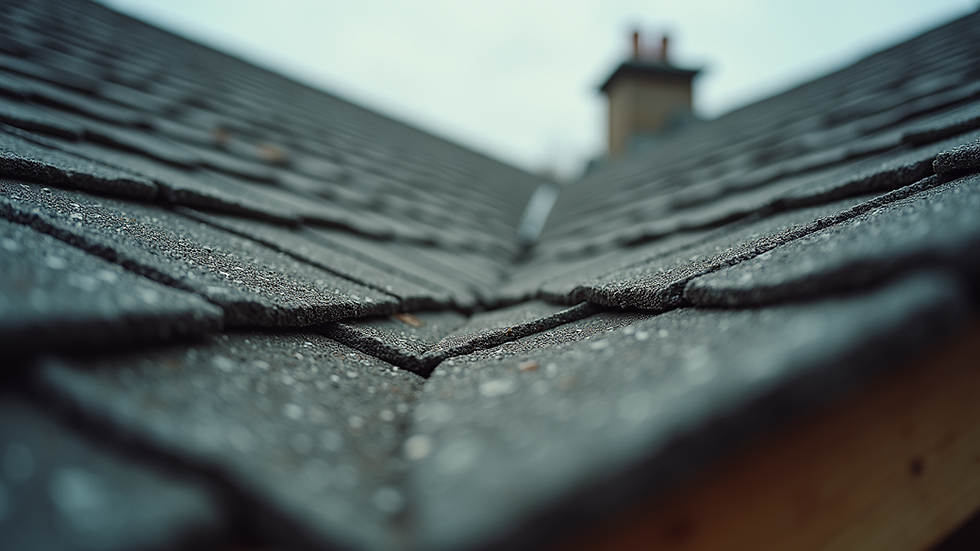
The roof protects everything inside the home. Inspectors check the condition of shingles, flashing, gutters, and downspouts. They look for missing or damaged shingles, leaks, and proper drainage. A roof nearing the end of its lifespan can be a costly repair.
3. Plumbing System
Water leaks, pipe corrosion, water pressure, and drainage are all on the inspector’s radar. They’ll check visible pipes, faucets, water heaters, and sometimes even test the water quality. Plumbing issues can lead to mold and structural damage if left unchecked.
4. Electrical System
Safety is paramount here. Inspectors examine the electrical panel, wiring, outlets, and fixtures. They look for outdated wiring, overloaded circuits, and proper grounding. Faulty electrical systems are a fire hazard and can be expensive to fix.
5. HVAC (Heating, Ventilation, and Air Conditioning)
Inspectors assess the heating and cooling systems to ensure they’re working efficiently. They check for proper installation, maintenance, and any signs of wear or damage. A malfunctioning HVAC system can affect comfort and energy bills.
6. Interior and Exterior Components
Doors, windows, walls, floors, stairs, and railings are inspected for damage, proper operation, and safety. On the exterior, siding, porches, decks, and driveways are also evaluated.
7. Insulation and Ventilation
Proper insulation and ventilation help maintain energy efficiency and prevent moisture buildup. Inspectors check attics, crawl spaces, and vents to ensure air flows correctly and insulation is adequate.

What is the Biggest Red Flag in a Home Inspection?
You might ask, “What is the biggest red flag in a home inspection?” From my experience, it’s often hidden water damage or mold. Water intrusion can cause a domino effect of problems, including structural damage, electrical hazards, and health risks.
For example, I once saw a home where a small leak in the roof had gone unnoticed for years. The attic was soaked, insulation was ruined, and mold had started to grow. The repair costs were significant, and the sellers had to lower the price considerably.
Other major red flags include:
Foundation issues: Large cracks or shifting can threaten the entire structure.
Electrical hazards: Outdated or faulty wiring can be dangerous.
Pest infestations: Termites or rodents can cause extensive damage.
Severe roof damage: Missing shingles or leaks can lead to costly repairs.
Knowing these red flags helps you make an informed decision. Sometimes, a red flag means walking away; other times, it’s a negotiation point.
How a Home Inspector Works: The Process Explained
Understanding the inspection process can ease your mind. When I attend an inspection, I see the inspector start outside, then move inside, and finally check the basement or crawl space. Here’s a typical flow:
Exterior Inspection
The inspector looks at the roof, gutters, siding, windows, doors, and foundation. They check for cracks, rot, drainage issues, and signs of pests.
Interior Inspection
Inside, they test plumbing fixtures, electrical outlets, heating and cooling systems, and appliances. They also look for signs of water damage, mold, and structural problems.
Attic and Crawl Space
These areas reveal insulation quality, ventilation, and hidden damage. Inspectors use flashlights and sometimes moisture meters to detect issues.
Report Preparation
After the inspection, you’ll receive a detailed report with photos, descriptions, and recommendations. This report is your roadmap for repairs or negotiations.
Remember, a home inspection is a visual and non-invasive examination. Inspectors don’t tear down walls or move heavy furniture, so some issues might not be visible.

Tips for Homebuyers: How to Use Your Home Inspection Report
Once you have the inspection report, what’s next? Here are some practical tips I’ve learned:
Review the report carefully: Pay attention to major issues and safety concerns first.
Ask questions: Don’t hesitate to contact your inspector for clarification.
Get repair estimates: For significant problems, get quotes from contractors.
Negotiate with sellers: Use the report to request repairs or price reductions.
Plan for future maintenance: Some issues aren’t urgent but should be monitored.
A home inspection is not about finding every tiny flaw. It’s about uncovering hidden problems that could affect your investment. Use the information wisely to protect yourself.
Why Choose a Trusted Home Inspection Service in Orlando?
Living in Orlando, FL, means dealing with unique weather conditions like humidity and storms. These factors can impact a home’s condition in ways you might not expect. That’s why choosing a local, trusted home inspection service is essential.
A knowledgeable inspector understands regional issues such as:
Roof damage from hurricanes or heavy rain
Mold growth due to humidity
Pest problems common in Florida’s climate
Foundation concerns related to soil conditions
BG Home Inspection Services, led by Brad Gieseler, is committed to providing thorough, reliable inspections tailored to Orlando’s homes. Their goal is to empower you with the knowledge you need to make smart decisions.
If you want to know more about what does a home inspector look for, BG Home Inspection Services is a great place to start.
Preparing for Your Home Inspection: What You Can Do
Before the inspector arrives, there are a few things you can do to make the process smoother:
Be present during the inspection: It’s a great learning opportunity.
Make sure utilities are on: Water, electricity, and gas should be operational.
Clear access to key areas: Basements, attics, and crawl spaces should be accessible.
Prepare a list of questions: Think about concerns you want addressed.
Being proactive helps you get the most out of your home inspection and feel confident about your purchase.
Getting a home inspection is more than a formality. It’s your chance to uncover the true story of a property. By understanding the home inspection checklist essentials and knowing what to expect, you can approach your home purchase with confidence and peace of mind.


Comments