
What You Need to Know About a 4 Point Inspection

Buying a home is a big step. You want to make sure the property is safe and sound before you commit. That’s where a 4 point inspection comes in. It’s a simple but important check that focuses on four key areas of a home. This inspection helps you understand the condition of the property and can save you from costly surprises later.
What Is a 4 Point Inspection and Why It Matters
A 4 point inspection looks at four main parts of a house: the roof, electrical system, plumbing, and HVAC (heating, ventilation, and air conditioning). These are the critical systems that affect safety and functionality. Unlike a full home inspection, which covers everything, the 4 point inspection is quicker and more focused.
Why is this inspection important? Many insurance companies require it before they approve a policy. They want to know if the home has any major issues that could lead to claims. For buyers, it’s a way to spot problems early. For sellers, it can help identify repairs needed to get insurance or sell the home faster.
This inspection is especially common in older homes or in places like Orlando, FL, where weather and age can impact these systems. Knowing the state of these four areas gives you a clearer picture of the home’s overall health.
The Four Key Areas of the Inspection
Roof
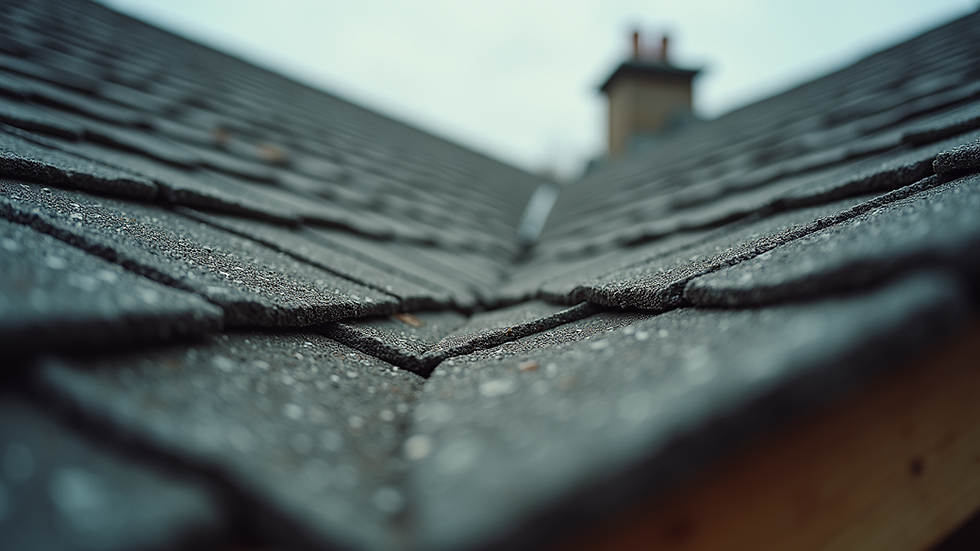
The roof protects everything inside your home. Inspectors check for missing shingles, leaks, damage, and the roof’s age. A roof in poor condition can lead to water damage and costly repairs. If the roof is near the end of its life, you might want to factor in replacement costs.
Electrical System
The electrical system must be safe and up to code. Inspectors look at the wiring, breaker panel, outlets, and grounding. Old or faulty wiring can be a fire hazard. Sometimes, homes have outdated fuse boxes that need upgrading. This part of the inspection ensures the home’s electrical system won’t cause problems.
Plumbing
Plumbing includes pipes, water heaters, and fixtures. Inspectors check for leaks, corrosion, and the type of pipes used. Old pipes, like those made of galvanized steel, can cause water quality issues or leaks. A good plumbing system means fewer surprises like burst pipes or water damage.
HVAC System
The heating and cooling system keeps your home comfortable. Inspectors check the age, condition, and functionality of the furnace, air conditioner, and ductwork. A failing HVAC system can be expensive to fix or replace. This part of the inspection helps you understand if the system will keep working efficiently.
How a 4 Point Inspection Fits Into Your Home Buying Process
When you’re buying a home, you want to gather as much information as possible. A 4 point inspection is a smart step after your initial offer but before closing. It’s faster and less expensive than a full home inspection but still covers the essentials.
If the inspection finds issues, you can negotiate repairs or price adjustments with the seller. Sometimes, it helps you decide if the home is worth buying at all. For example, if the roof needs replacing soon, that’s a big cost to consider.
In Orlando, where weather can be tough on homes, this inspection is even more valuable. It helps you avoid hidden problems caused by storms or humidity.
Choosing the Right Inspection Service
Not all inspections are the same. You want a company that knows what to look for and explains things clearly. For example, BG Home Inspection Services, led by Brad Gieseler, offers thorough 4 point inspections in Orlando. They focus on educating clients so you understand your potential investment fully.
Their service covers all four key areas with detailed reports. This helps you make informed decisions without feeling overwhelmed. You can learn more about their offerings on their website: BG Home Inspection Services.
What Happens After the Inspection
Once the inspection is done, you’ll get a report. This report lists any problems found and may include photos or recommendations. Use this information to talk with your real estate agent or the seller.
If repairs are needed, you can ask the seller to fix them or lower the price. Sometimes, you might decide to walk away if the issues are too big. The inspection report is your tool to protect your investment.
When to Consider a Full Home Inspection
A 4 point inspection is great for a quick check, but it doesn’t cover everything. If you want a complete picture, especially for older homes, a full home inspection is better. It looks at the foundation, walls, windows, insulation, and more.
Think of the 4 point inspection as a focused health check. If it raises concerns, a full inspection can dig deeper. This two-step approach can save you money and stress.

Final Thoughts on 4 Point Inspections
A 4 point inspection is a smart, focused way to check the most important systems in a home. It helps you avoid surprises and gives you confidence in your purchase. Whether you’re buying or selling, this inspection is a valuable step.
Remember, the roof, electrical, plumbing, and HVAC systems are the backbone of any home. Knowing their condition helps you plan for repairs or upgrades. If you want a reliable inspection in Orlando, consider services like BG Home Inspection Services for clear, trustworthy reports.
Taking this step means you’re not just guessing about the home’s condition. You’re making a smart choice based on facts. That’s peace of mind worth having when investing in a property.

Ready to learn more? Scheduling a 4 point inspection early can save you time and money. It’s a simple step that makes a big difference in your home buying journey.


Comments