
Insurance Home Inspection Process: What to Know About Home Inspections for Insurance

When I first bought a home, I thought a home inspection was just about checking for leaks or faulty wiring. But soon, I realized that home inspections for insurance are a whole different ballgame. They are crucial for protecting your investment and ensuring you get the right coverage. If you’re like me, diving into the insurance home inspection process might feel overwhelming. But don’t worry—I’m here to break it down in simple terms and share what I’ve learned along the way.
Understanding the Insurance Home Inspection Process
The insurance home inspection process is designed to help insurance companies assess the risk associated with insuring a property. Unlike a typical home inspection that focuses on the buyer’s interests, this inspection zeroes in on factors that could lead to insurance claims.
Here’s how it usually works:
Scheduling the inspection: Your insurance company or agent will often require an inspection before issuing or renewing a policy.
Inspection by a certified professional: A licensed inspector will evaluate the property based on specific criteria set by the insurer.
Report generation: The inspector provides a detailed report highlighting potential risks and necessary repairs.
Insurance decision: The insurer uses this report to decide coverage terms, premiums, or whether to insure the home at all.
This process might seem straightforward, but it’s packed with details that can affect your insurance rates and coverage options. For example, older homes or those with outdated electrical systems might face higher premiums or require upgrades before coverage is approved.

Why Is an Insurance Home Inspection Important?
You might wonder, “Why can’t the insurance company just trust the paperwork or the home’s age?” Well, the truth is, insurance companies want to minimize their risk. A thorough inspection helps them identify hidden problems that could lead to costly claims.
From my experience, here are some reasons why this inspection matters:
Protects your investment: Knowing the condition of your home helps you avoid surprises after a disaster.
Ensures accurate coverage: The inspection helps tailor your policy to your home’s specific needs.
May lower premiums: If your home is in good shape, you might qualify for discounts.
Highlights safety issues: Identifying hazards like faulty wiring or structural damage can prevent accidents.
Think of it as a health check-up for your home. Just like you wouldn’t skip a doctor’s visit, don’t overlook this inspection if you want peace of mind.
What Do Insurance Companies Look at During a Home Inspection?
Insurance companies focus on elements that could increase the likelihood of a claim. Here’s a breakdown of what they typically examine:
Structural Integrity
Foundation cracks or shifts
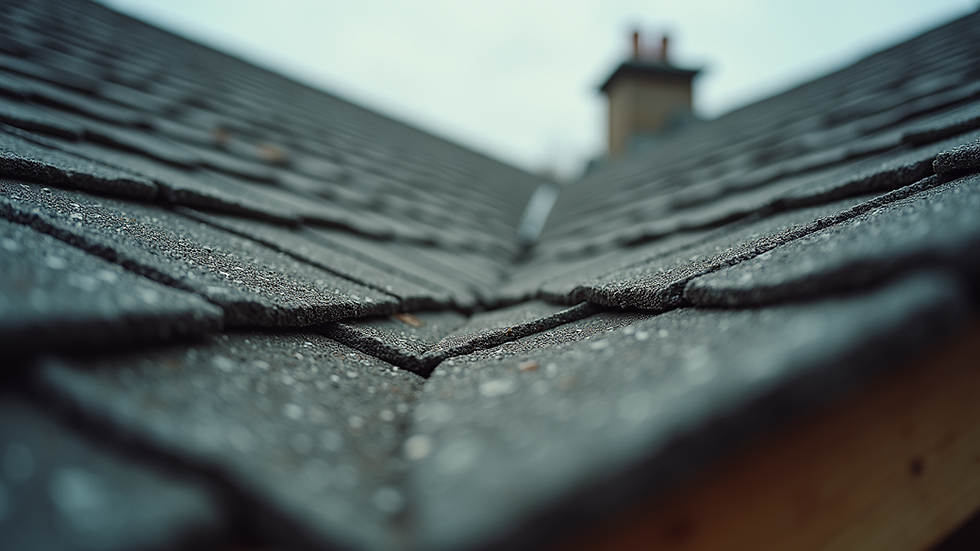
Roof condition and age
Walls, ceilings, and floors for damage or wear
Electrical Systems
Outdated wiring (e.g., knob-and-tube or aluminum wiring)
Proper grounding and circuit breakers
Functioning smoke detectors
Plumbing and HVAC
Leaks or corrosion in pipes
Water heater condition
Heating and cooling system efficiency
Safety Features
Presence of fire extinguishers
Security systems or alarms
Proper exits and emergency access
Environmental Risks
Proximity to flood zones or wildfire areas
Mold or pest infestations
Drainage and grading around the home
Each of these factors can influence your insurance premium or even your eligibility for coverage. For example, a roof older than 20 years might need replacement before an insurer agrees to cover the home.

How to Prepare for Your Insurance Home Inspection
Preparing your home for an insurance inspection can make the process smoother and improve your chances of favorable coverage. Here are some practical tips I’ve found useful:
Fix obvious issues: Repair leaks, replace broken windows, and clear gutters.
Update safety devices: Install or check smoke detectors and carbon monoxide alarms.
Organize documentation: Have records of past repairs, renovations, and maintenance ready.
Clear access points: Make sure the inspector can easily reach the attic, basement, and electrical panels.
Trim landscaping: Overgrown trees or bushes can hide damage or pose risks.
Taking these steps shows the insurer that you care about your property’s condition, which can work in your favor.
What Happens After the Inspection?
Once the inspection is complete, the inspector will submit a report to the insurance company. This report is a detailed snapshot of your home’s condition and potential risks.
Here’s what you can expect next:
Review of the report: The insurance company evaluates the findings.
Possible requests: They might ask for repairs or upgrades before finalizing coverage.
Policy adjustments: Premiums may be adjusted based on risk factors.
Approval or denial: In rare cases, the insurer may decline coverage if the home is too risky.
If repairs are needed, it’s a good idea to get estimates and complete them promptly. Not only does this improve your chances of getting insured, but it also protects your home’s value.
Why Choose a Trusted Home Inspection Service?
When I was searching for an inspector, I quickly learned that not all inspections are created equal. A trusted home inspection service provides thorough, unbiased reports that help both you and your insurer make informed decisions.
Here’s why working with a reputable company matters:
Expertise: Experienced inspectors know what insurance companies look for.
Comprehensive reports: Detailed findings help you understand your home’s condition.
Clear communication: Good inspectors explain issues in plain language.
Local knowledge: Inspectors familiar with Orlando’s climate and building codes can spot region-specific risks.
If you want to feel confident about your insurance home inspection process, choosing the right professional is key.
If you want to learn more about the home inspection for insurance purposes, BG Home Inspection Services, led by Brad Gieseler, offers expert guidance tailored to Orlando’s unique market. Their thorough approach ensures you get the coverage you need without surprises.
Taking Control of Your Home’s Insurance Future
Navigating the insurance home inspection process might seem daunting, but it’s an essential step in protecting your property and finances. By understanding what to expect and how to prepare, you can turn this requirement into an opportunity to improve your home’s safety and value.
Remember, a well-maintained home is not only easier to insure but also a better place to live. So, take charge, ask questions, and don’t hesitate to seek expert advice. After all, your home deserves the best care—and so do you.


Comments