
Key Focus Areas in Home Inspection Areas

Buying a home is one of the biggest investments you’ll ever make. I remember the first time I walked through a potential property, feeling excited but also a bit overwhelmed. What should I really be paying attention to? That’s where a thorough home inspection comes in. It’s not just about spotting obvious problems but understanding the key focus areas that can affect your investment for years to come.
If you’re wondering what does a home inspector look for, you’re in the right place. Let’s dive into the essential home inspection areas that can make or break your decision.
Understanding the Critical Home Inspection Areas
When I first started learning about home inspections, I quickly realized that not all parts of a house are created equal. Some areas demand more attention because they impact safety, functionality, and long-term costs. Here are the main zones every homebuyer should focus on:
Structural Integrity: The foundation, walls, and roof.
Electrical Systems: Wiring, outlets, and panels.
Plumbing: Pipes, fixtures, and water heaters.
HVAC Systems: Heating, ventilation, and air conditioning.
Interior and Exterior Components: Doors, windows, and siding.
Each of these areas tells a story about the home’s condition. For example, a cracked foundation might hint at serious structural issues, while outdated electrical wiring could pose fire hazards. Knowing what to look for helps you ask the right questions and negotiate better.

What is the biggest red flag in a home inspection?
You might ask, “What is the biggest red flag in a home inspection?” From my experience, it’s often the foundation problems. Why? Because the foundation supports the entire house. If it’s compromised, everything else is at risk.
Foundation issues can show up as:
Large cracks in walls or floors
Doors and windows that don’t close properly
Uneven floors or sloping surfaces
These signs suggest the house might be settling unevenly or experiencing water damage. Fixing foundation problems can be costly and time-consuming, so it’s crucial to identify them early.
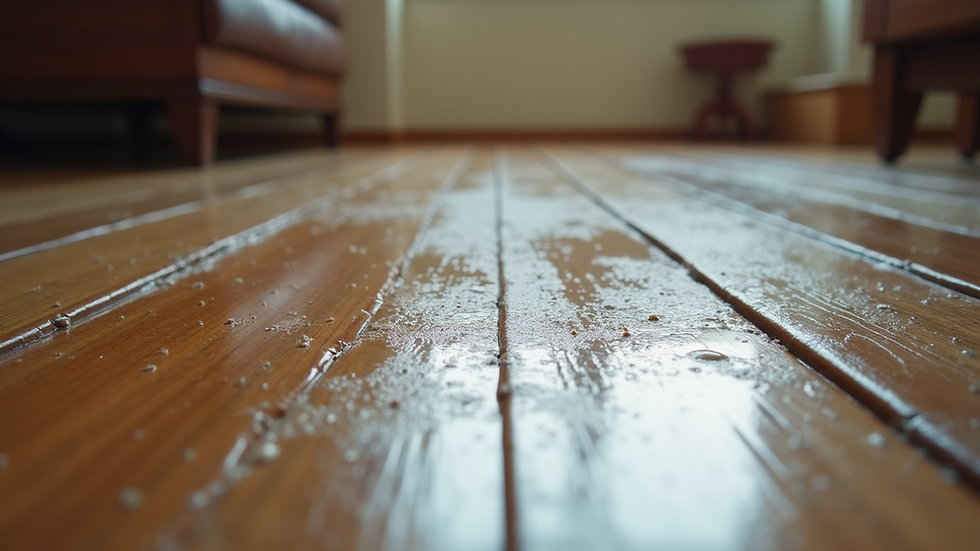
Another major red flag is mold or water damage. Moisture can hide behind walls or under floors, leading to health risks and structural decay. During inspections, I always pay close attention to any signs of leaks, stains, or musty odors.
Electrical and Plumbing Systems: Safety First
Electrical and plumbing systems are often overlooked by buyers, but they are vital for safety and comfort. When I inspect a home, I check if the electrical panel is up to code and if the wiring looks modern and intact. Old or faulty wiring can cause fires, so it’s not something to take lightly.
Similarly, plumbing issues can lead to leaks, water damage, and even mold growth. I look for:
Corroded or leaking pipes
Water pressure problems
Hot water heater condition
If you notice rusty pipes or slow drains during your walkthrough, it’s a sign to dig deeper. Sometimes, replacing old plumbing can be expensive, but it’s better than facing constant repairs later.
Roof and Exterior: Protecting Your Investment
The roof is your home’s first line of defense against weather. I always recommend a close inspection of the roof’s condition, including shingles, flashing, and gutters. Missing or damaged shingles can lead to leaks and water damage inside the house.
The exterior walls and siding also need attention. Cracks, rot, or peeling paint can indicate moisture problems or poor maintenance. Don’t forget to check the grading around the house. Water should flow away from the foundation to prevent flooding.
Here’s a quick checklist for the roof and exterior:
Look for missing or curling shingles.
Check gutters for clogs or damage.
Inspect siding for cracks or rot.
Ensure proper drainage around the foundation.
Taking these steps can save you thousands in repairs down the road.
Interior Inspection: More Than Just Looks
When walking through a home, it’s easy to get distracted by fresh paint or new flooring. But a thorough interior inspection goes beyond aesthetics. I always test doors and windows to make sure they open and close smoothly. Sticking doors or windows can signal foundation shifts or humidity problems.
Check for cracks in walls and ceilings, especially near windows and doors. These might indicate structural movement. Also, look for signs of pests like termites or rodents, which can cause hidden damage.
Don’t forget to test appliances and fixtures. Running faucets, flushing toilets, and turning on lights can reveal plumbing or electrical issues.
Why You Should Trust a Professional Home Inspection
I’ve learned that even the most experienced homebuyers can miss critical issues without a professional’s eye. A certified home inspector brings knowledge, tools, and experience to uncover problems that aren’t obvious.
If you want peace of mind, hiring a trusted inspector is worth every penny. They provide a detailed report that helps you understand the home’s condition and plan for repairs or negotiations.
Remember, a home inspection is not about finding reasons to walk away but about making an informed decision. It’s about knowing exactly what you’re getting into.
Taking Action After the Inspection
Once you have the inspection report, what’s next? Here are some practical steps I recommend:
Review the report carefully: Highlight major issues and ask questions.
Get repair estimates: Know the cost of fixing problems.
Negotiate with the seller: Use the inspection findings to request repairs or price adjustments.
Plan for future maintenance: Some issues might not be urgent but should be monitored.
By approaching the inspection results strategically, you can protect your investment and avoid surprises.
Buying a home is exciting, but it’s also a serious commitment. Understanding the key home inspection areas helps you make smart choices and feel confident in your purchase. Whether it’s the foundation, electrical systems, or roof, paying attention to these details can save you time, money, and stress.
If you want to learn more about what does a home inspector look for, don’t hesitate to reach out to a trusted professional. After all, knowledge is power when it comes to your home investment.


Comments