
Why Schedule a Yearly Home Checkup - Yearly Property Checkup Tips

Owning a home is one of the most significant investments many of us make. But how often do we pause to think about the health of that investment? Just like we schedule annual physicals to keep ourselves in good shape, our homes deserve the same attention. A yearly home checkup can save you from costly repairs, unexpected emergencies, and even safety hazards. I’ve learned this firsthand, and I want to share why this simple habit is a game-changer for anyone who owns property.
The Importance of Yearly Property Checkup Tips
When I first bought my home, I thought a quick glance around every few months was enough. But homes are complex systems. They have roofs, plumbing, electrical wiring, HVAC units, and structural elements that all age and wear down over time. Ignoring these can lead to bigger problems.
Here are some yearly property checkup tips that I found invaluable:
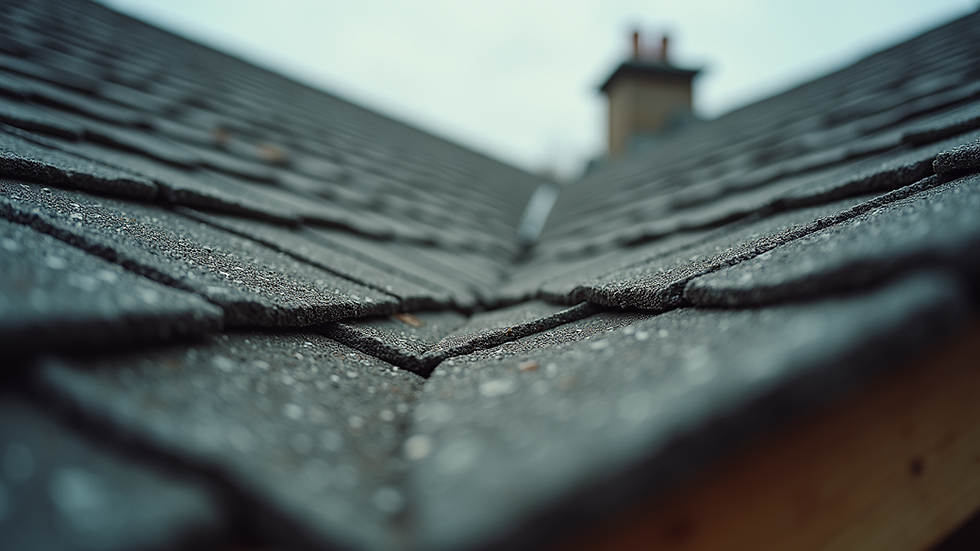
Inspect the roof and gutters: Look for missing shingles, leaks, or debris buildup. Water damage can start small but cause major issues.
Check plumbing for leaks: Even a tiny drip can waste gallons of water and damage walls or floors.
Test smoke and carbon monoxide detectors: These devices save lives but only if they work.
Examine HVAC systems: Regular maintenance improves efficiency and extends the life of your heating and cooling units.
Look for signs of pests: Termites and rodents can cause structural damage if left unchecked.
Scheduling a professional inspection can catch these issues early. It’s not just about fixing problems but preventing them.

What Happens During a Yearly Home Checkup?
You might wonder, what exactly does a yearly home checkup involve? From my experience and what experts recommend, it’s a thorough walk-through of your property, inside and out. The inspector will:
Assess the foundation for cracks or settling
Inspect the roof, gutters, and attic for damage or leaks
Check electrical panels, outlets, and wiring for safety
Evaluate plumbing systems including water heaters and pipes
Test HVAC units and filters
Look for signs of mold, pests, or water damage
Review windows and doors for proper sealing and function
This comprehensive review helps identify small issues before they escalate. For example, a minor roof leak might only cost a few hundred dollars to fix now but could lead to thousands in water damage if ignored.
I always recommend pairing your own visual checks with a professional’s expertise. They have the tools and knowledge to spot hidden problems.
How much does an annual wellness exam cost?
You might be thinking, “This sounds great, but how much will it cost me?” The price of a yearly home checkup varies depending on the size of your property and the depth of the inspection. On average, you can expect to pay between $300 and $600 for a full inspection.
While this might seem like an expense, consider it an investment. Catching a small plumbing leak early can save you from replacing drywall or flooring later. Plus, many insurance companies offer discounts if you maintain your home well.
Some inspectors offer customizable packages, so you can focus on specific areas like HVAC or roofing if budget is a concern. Remember, the cost of ignoring maintenance often far exceeds the price of a yearly checkup.
How a Yearly Home Checkup Service Protects Your Investment
I’ve found that using a yearly home checkup service is the smartest way to protect your property. These services provide detailed reports with photos and recommendations. You get peace of mind knowing your home is safe and sound.
Here’s why it’s worth it:
Early detection: Problems are caught before they become emergencies.
Budget planning: Knowing what needs repair helps you plan financially.
Safety assurance: Ensures your home meets safety standards.
Increased property value: Well-maintained homes retain or increase their market value.
Better negotiation power: If you plan to sell, a recent inspection report can boost buyer confidence.
I remember when a yearly checkup revealed a small electrical issue in my home’s panel. Fixing it early prevented a potential fire hazard. That alone made the inspection invaluable.

Tips for Scheduling Your Yearly Home Checkup
If you’re ready to schedule your yearly home checkup, here are some tips to get the most out of it:
Choose a reputable inspector: Look for certifications, reviews, and local experience.
Schedule at the right time: Spring or fall are ideal to prepare for seasonal changes.
Prepare your home: Clear access to key areas like the attic, basement, and electrical panels.
Be present during the inspection: Ask questions and take notes.
Review the report carefully: Prioritize repairs based on urgency and budget.
By following these steps, you’ll maximize the benefits of your inspection and keep your home in top shape.
Keeping Your Home Healthy Year-Round
A yearly home checkup is just one part of maintaining a healthy home. Regular upkeep like cleaning gutters, changing HVAC filters, and monitoring for leaks will keep your property running smoothly. But don’t underestimate the power of a professional’s eye.
Think of it this way - would you skip your annual doctor’s visit? Your home deserves the same care. It’s not just about avoiding costly repairs; it’s about creating a safe, comfortable space for you and your family.
Taking these steps now means fewer headaches later. And when it’s time to sell or refinance, you’ll have a well-documented history of care that adds value.
Scheduling a yearly home checkup is a simple, proactive step that pays off in the long run. Whether you’re a first-time buyer or a seasoned investor, protecting your property with regular inspections is smart. Don’t wait for problems to find you - take control of your home’s health today.


Comments